 Aquarium Fish Sale
Anglerfish
USD 86.98
Description
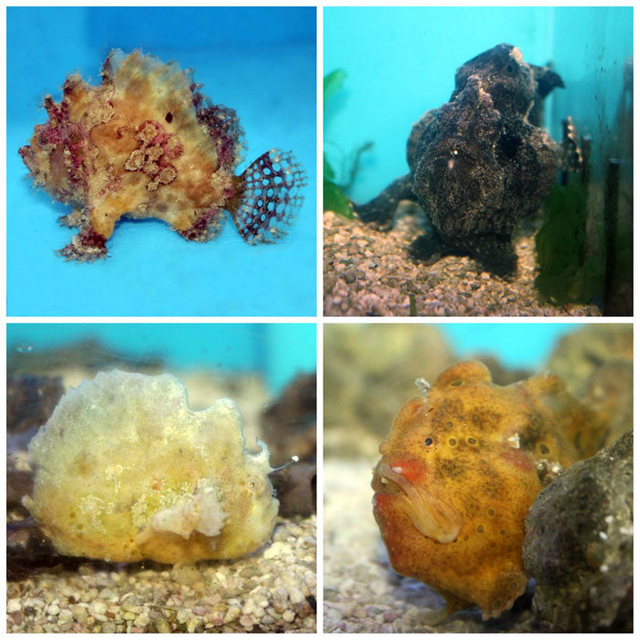
Anglerfish (Frogfish): The Luring Ambush Predator The Anglerfish, commonly referred to as Frogfish in the aquarium trade (genus Antennarius), is one of the marine world's most fascinating and challenging inhabitants. Known for its remarkable ability to blend into its surroundings, this fish is the ultimate ambush predator. The general classification of Antennarius sp. is often used because Frogfish can quickly change their color and pattern—mimicking the texture of sponges, rocks, or algae—making specific identification difficult. The Anglerfish is a master of camouflage, spending most of its life motionless on the substrate. Its defining feature is a modified first dorsal spine, the illicium, which acts as a "fishing rod." At the tip is the fleshy lure, or esca, which the fish wiggles to mimic a small worm, shrimp, or fish. When an unsuspecting meal is attracted close enough, the Anglerfish executes one of the fastest strikes known in the animal kingdom, inhaling its prey whole. Species in this genus vary in size; most popular aquarium types (like the Warty Angler or Striated Angler) grow to 6 to 8 inches (15-20 cm), but larger species like the Giant Angler (A. commerson) can reach over 15 inches (38 cm). Due to their predatory nature and low activity level, they are best suited for a dedicated, species-only aquarium with ample live rock or structure for perching, with a minimum size of 20 to 50 gallons, depending on the expected adult size. Diet & Compatibility: Diet: The Anglerfish is a dedicated Carnivore. The primary challenge for the aquarist is transitioning the fish from its natural diet of live prey to non-living, frozen foods. They must be trained to accept meaty items offered via feeding tongs, as they will not chase food through the water column. Weaning to Frozen: Start with gut-loaded live marine shrimp or small, marine-acclimated feeder fish. Gradually introduce frozen meaty foods (e.g., large chunks of squid, clam, shrimp, or fish flesh) by waving them in front of the Angler with tongs to simulate the lure's movement. Feeding Frequency: Anglerfish have a slow metabolism and require infrequent feeding. Adults should be fed only once or twice per week with a substantial meal. Overfeeding is a common cause of health issues and can cause the fish to fast for long periods. Reef Compatibility: With Extreme Caution. While Anglerfish generally ignore corals and sessile inverts, they are a significant danger to nearly all ornamental invertebrates (shrimp, crabs, snails) and any fish small enough to fit in their massive mouth, which can be up to their own body size. They are best housed with very large, fast-moving, non-aggressive fish, or alone. Handling Caution: Anglerfish are non-venomous but will inflate their bodies with air if netted and removed from the water, which can be fatal. Always transfer an Anglerfish using a submerged plastic container to avoid air ingestion. Quick Facts Scientific Name: Antennarius sp. (General Anglerfish/Frogfish) Primary Common Name: Anglerfish Other Common Names: Frogfish, Warty Angler, Painted Angler, Striated Angler Origin: Indo-Pacific (Widespread in tropical and subtropical waters) Max Size: Varies greatly; typically 6–15 inches (15–38 cm) Temperament: Aggressive / Predatory (Sessile Ambush Hunter) Diet: Carnivore (Must be trained onto frozen meaty foods) Minimum Tank Size: 20–50 Gallons (depending on adult size) Reef Compatibility: With Caution (Will eat all small fish and inverts)
Aquarium Fish Sale deal
You could save on Aquarium Fish Sale Anglerfish with a Aquarium Fish Sale promo code:

10% off
worked about 1 month ago